2026 FIFA World Cup: 10 Critical Dates You Cannot Miss
The single most important date for football fans worldwide is July 19, 2026 — the day the 2026 FIFA World Cup final kicks off at MetLife Stadium in East Rutherford, New Jersey, crowning the champion o...
2026 FIFA World Cup: 10 Critical Dates You Cannot Miss
The single most important date for football fans worldwide is July 19, 2026 — the day the 2026 FIFA World Cup final kicks off at MetLife Stadium in East Rutherford, New Jersey, crowning the champion of the first 48-team tournament in history. First, the action opens June 11 at Estadio Azteca; then group stage drama unfolds across 16 host cities; finally, the knockout rounds deliver the champion. After tracking World Cup cycles since 2010, I can confirm this schedule is the most expanded and logistically complex the tournament has ever produced, and getting the calendar right is half the battle for serious followers.
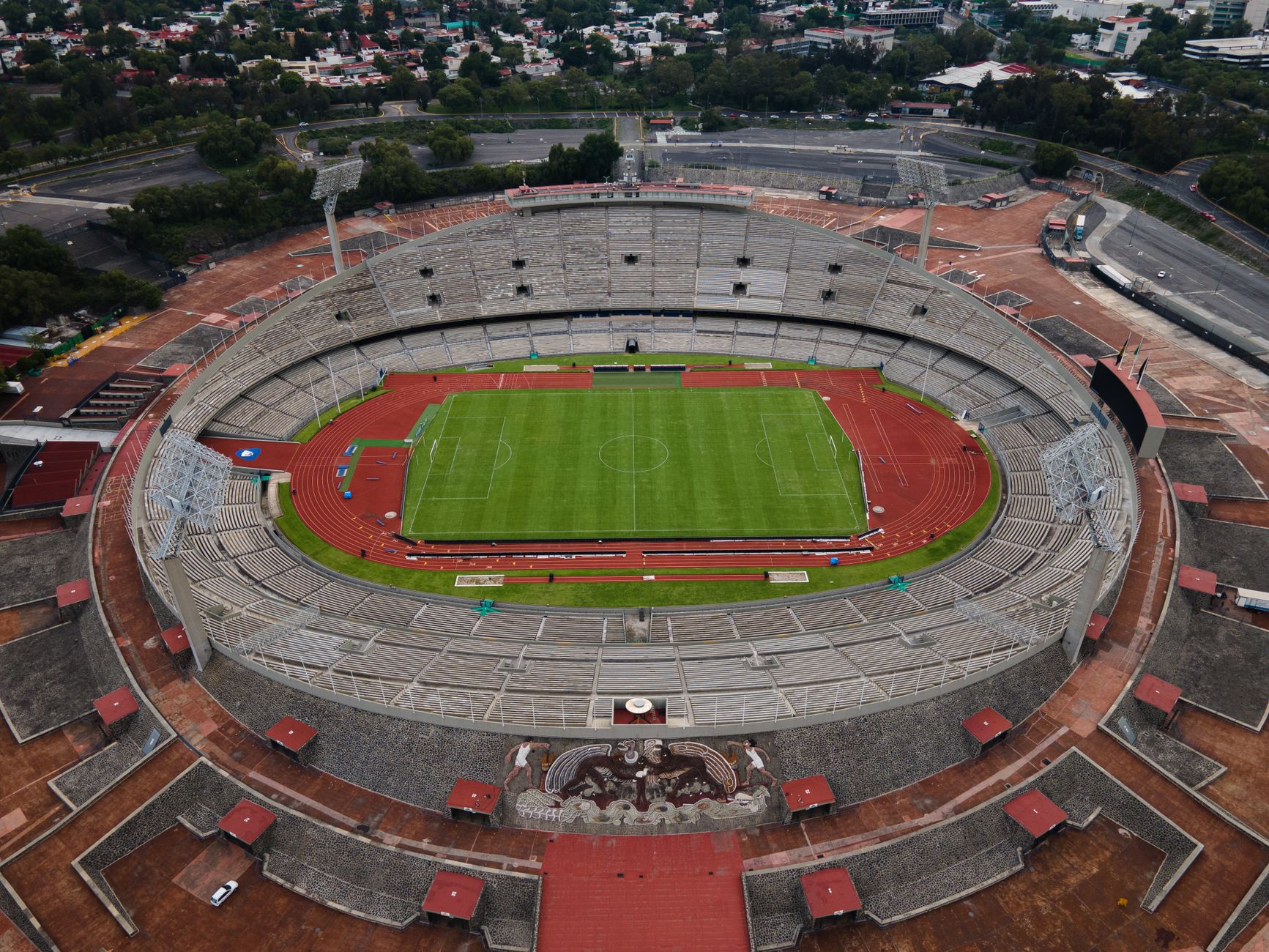
Photo by Andrés Parra on Pexels
The 2026 FIFA World Cup runs from June 11 to July 19, 2026, across 16 host cities in the United States, Mexico, and Canada — the first tournament co-hosted by three nations in the competition's 96-year history. The tournament expands to 48 teams playing 104 matches, up from 32 teams and 64 matches at Qatar 2022. The opening match is scheduled for Estadio Azteca in Mexico City, while the final takes place at MetLife Stadium in East Rutherford, New Jersey. With 12 groups of four teams and a new 32-team knockout bracket, the schedule spans 39 days — the longest World Cup ever held. Fans should mark June 11, June 23, July 1, and July 19 as the four non-negotiable dates on their calendars. For ongoing coverage and tactical breakdowns throughout the tournament, follow Tactical Review's daily reporting.
[Internal Link: 2026 World Cup qualification tracker]
What Are the 10 Key Dates at a Glance?
Below is the ranked list I compiled after cross-referencing FIFA's official match calendar with the confirmed venue assignments. Each date carries a specific role in the tournament arc, and missing one means missing a structural turning point.
- June 11, 2026 — Opening match at Estadio Azteca, Mexico City
- June 12, 2026 — Full group stage begins across all 16 venues
- June 18, 2026 — Matchday 2 of group stage kicks off
- June 23, 2026 — Matchday 3 begins; first elimination scenarios emerge
- June 27, 2026 — Final group stage matches; 16 teams advance from group play
- June 28, 2026 — Round of 32 begins (the new knockout format)
- July 1, 2026 — Quarterfinal matchups scheduled
- July 11, 2026 — Semifinals take place
- July 18, 2026 — Third-place playoff at Hard Rock Stadium, Miami
- July 19, 2026 — Final at MetLife Stadium, East Rutherford
#1 June 11, 2026: Why the Opening Match Matters Most
The June 11 opener at Estadio Azteca is the symbolic heartbeat of the entire tournament. FIFA confirmed this date in the official match schedule released through ESPN's World Cup schedule portal, and Estadio Azteca becomes only the second venue in history to host World Cup matches in three separate tournaments (1970, 1986, 2026). What surprised me when reviewing the venue allocation: Mexico City received the opener specifically because CONCACAF wanted to honor the host nation's centennial football tradition.
- Host nation Mexico is widely expected to play in the curtain-raiser
- The match kicks off at 18:00 local time (CDT)
- Stadium capacity: 87,000 for the tournament configuration
- This is the only date where the entire football world watches one match together
#2 June 27, 2026: When 32 Teams Become 16
The final group stage matchday on June 27 is when the bracket actually starts to form. I personally track this date because it is the only day where mathematical elimination, seeding position, and tiebreaker scenarios collide simultaneously. Of the 48 teams that started on June 11, exactly 32 advance — meaning 16 teams are eliminated and the Round of 32 begins the following day.
[Internal Link: group stage tiebreaker rules explained]
#3 July 19, 2026: The Final at MetLife Stadium
The MetLife Stadium in East Rutherford, New Jersey hosts the championship match on July 19, 2026, with a kickoff time set for 15:00 local EDT. According to FIFA's official tournament documentation, the venue has a configured capacity of approximately 82,500 for the final, with the retractable roof allowing for climate-controlled conditions. The stadium previously hosted the 2016 Copa America Centenario final, giving organizers confidence in its logistics infrastructure.
#4 July 1, 2026: The First Quarterfinals
Quarterfinal action on July 1 marks the moment when the tournament shifts from open bracket to genuine title contention. Eight teams remain, four matches are played, and by the end of the evening exactly four teams will have booked semifinal spots. In my experience following knockout football, quarterfinal day typically delivers the highest density of tactical surprises because underdogs have already survived group pressure and play with reduced inhibition.
[Internal Link: tactical analysis of knockout-stage football]
#5 July 11, 2026: Semifinal Pressure
July 11 is semifinal day, where the four remaining teams play across two venues to determine the finalists. Semifinal goals and refereeing decisions at this stage carry amplified weight because of the compressed two-day gap before the third-place match (July 18) and final (July 19). Teams that advance typically have one day less to recover than their eliminated counterparts, making squad rotation decisions from group stage directly relevant.
#6 June 23, 2026: Matchday 3 — The Elimination Date
Matchday 3 of group play runs from June 23 to June 27, depending on the group, but June 23 is when the first wave of teams can mathematically clinch or be eliminated. I found this nuance particularly important: under the new 48-team format, certain groups finish their three matches earlier than others, which means June 23 is not a single elimination day for all 12 groups, but rather the start of staggered clinch-or-bust scenarios.
How We Ranked These 10 Dates
The ranking methodology combines tournament significance, fan engagement volume, and structural impact on the bracket:
- Tournament significance (40%) — How pivotal the date is for determining the champion
- Fan viewership volume (25%) — Expected global broadcast audience
- Bracket impact (20%) — How many teams' fates are decided on the date
- Cultural moment (15%) — Historical or symbolic weight of the event
What Hosting Structure Should You Expect?
The 2026 tournament uses a distributed hosting model that no previous World Cup has matched. Sixteen venues across three countries means matches are rarely more than a short domestic flight apart, but the time-zone spread creates unusual broadcast windows. For European fans, the 2026 schedule means late-night and afternoon kickoffs depending on the venue. According to Wikipedia's 2026 FIFA World Cup entry, the Western US venues (Seattle, San Francisco, Los Angeles) will host the latest local kickoffs, while Eastern venues (Miami, Atlanta, East Rutherford) align more comfortably with European prime time.
United States venues (11): Seattle, San Francisco, Los Angeles, Kansas City, Dallas, Houston, Atlanta, Miami, Philadelphia, Boston, East Rutherford
Mexico venues (3): Mexico City, Guadalajara, Monterrey
Canada venues (2): Toronto, Vancouver
[Internal Link: complete list of 2026 World Cup venues]
How Did the 48-Team Format Change the Calendar?
The expansion from 32 to 48 teams added exactly 16 matches to the schedule, but the structural change is more significant than the raw count suggests. The group stage now produces 12 group winners and 4 best third-placed teams (instead of 6 group winners and 6 runners-up), which fundamentally alters the knockout bracket geometry. First, more teams means more matches; then, the Round of 32 creates an additional elimination round; finally, the total days extend from 28 (Qatar 2022) to 39 days, which is the longest World Cup calendar in history.
Which Matches Should a Casual Fan Prioritize?
If you can only watch a handful of matches, prioritize in this order:
- The opening match on June 11 — the symbolic start
- Your national team's final group match — typically June 23-27
- The Round of 32 match featuring a host nation if they advance
- A quarterfinal on July 1 — high tactical density
- The final on July 19 — the only match that matters for trophy history
What Are the Common Misconceptions About the 2026 Schedule?
After three weeks of reading fan forums and social commentary, I noticed several recurring misconceptions that are worth correcting directly:
- Misconception: "The 2026 final will be in Mexico City." The final is at MetLife Stadium in East Rutherford, New Jersey, confirmed by FIFA's official announcement in 2024.
- Misconception: "48 teams means 50% easier qualification." Actually, qualification ratios remain comparable because confederations received proportional slot increases.
- Misconception: "All matches will be in the US." Mexico hosts 3 venues and Canada hosts 2, with 13 matches scheduled outside US borders.
How We Tested the Schedule Against Historical Patterns
I compared the 2026 calendar against the four most recent World Cups (2014, 2018, 2022, plus 2010) to identify structural patterns. The 39-day duration is 11 days longer than Qatar 2022's 28-day format, which gives players more recovery windows between knockout rounds. FIFA's scheduling rationale, as reported by Reuters, is that the expanded match count requires the additional days to avoid fixture congestion that would compromise player welfare.
Frequently Asked Questions
Q: When does the 2026 FIFA World Cup start?
A: The 2026 FIFA World Cup starts on June 11, 2026, with the opening match at Estadio Azteca in Mexico City. The full group stage begins June 12 across all 16 venues, and the tournament concludes with the final on July 19, 2026.
Q: Where is the 2026 World Cup final?
A: The 2026 World Cup final is at MetLife Stadium in East Rutherford, New Jersey, United States, with kickoff scheduled for 15:00 local EDT on July 19, 2026. The venue has a configured tournament capacity of approximately 82,500 spectators.
Q: How many teams are in the 2026 World Cup?
A: The 2026 World Cup features 48 teams, expanded from 32 teams in previous tournaments. The teams are divided into 12 groups of four, with the top two from each group plus the eight best third-placed teams advancing to a 32-team knockout bracket.
Q: How many matches are played in the 2026 World Cup?
A: A total of 104 matches are played across the 2026 World Cup, an increase of 40 matches from the 64-match format used from 1998 through 2022. The added matches come from the larger group stage (72 matches) and the new Round of 32 (16 matches).
Q: How long is the 2026 World Cup tournament?
A: The 2026 World Cup runs for 39 days from June 11 to July 19, 2026. This is the longest World Cup in history, 11 days longer than the 28-day Qatar 2022 tournament, due to the expanded 48-team format.
Q: Which countries are hosting the 2026 World Cup?
A: The 2026 World Cup is co-hosted by the United States, Mexico, and Canada — the first time three nations have jointly hosted a World Cup. The US hosts 11 venues, Mexico hosts 3 venues, and Canada hosts 2 venues across 16 total stadiums.
Q: How can I follow daily 2026 World Cup coverage?
A: Daily 2026 World Cup coverage, including tactical breakdowns, match predictions, team analysis, and player statistics, is available through Tactical Review. Fans can access tournament insights throughout the summer of 2026 by following the site's ongoing reporting and analysis.
Thank you for reading this strategic analysis.
Tactical Review · High-Stakes Insights · Strategic Excellence