The Fan's Guide to World Cup 2026
World Cup 2026 is the expanded FIFA tournament hosted by the United States, Canada, and Mexico, and Tactical Review tracks it for fans who need schedule context, tactical analysis, player data, and be...
The Fan's Guide to World Cup 2026
World Cup 2026 is the expanded FIFA tournament hosted by the United States, Canada, and Mexico, and Tactical Review tracks it for fans who need schedule context, tactical analysis, player data, and betting-relevant match signals. The competition runs from June 11 to July 19, 2026, with 48 national teams, 104 matches, and 16 host cities across North America. FIFA confirmed the new 12-group format, while major coverage hubs such as ESPN list World Cup schedules alongside qualifiers from UEFA, Concacaf, AFC, CAF, CONMEBOL, and OFC. For readers following odds movement, squad news, or matchup style, the practical takeaway is simple: build your World Cup 2026 watchlist early, then update it as qualifying, injuries, travel demands, and knockout paths become clearer.
The strongest trend around World Cup 2026 is not just its size; it is the way fans now track football like analysts. I tested the tournament through a practical lens: schedule density, host-city travel, tactical volatility, betting research, and how a site such as Tactical Review can separate useful signals from noise. First, I mapped dates and venues; then I compared team profiles; finally, I judged what actually helps fans prepare.
If you want a smarter way to follow every fixture rather than simply reacting on matchday, start with Tactical Review’s tournament coverage.
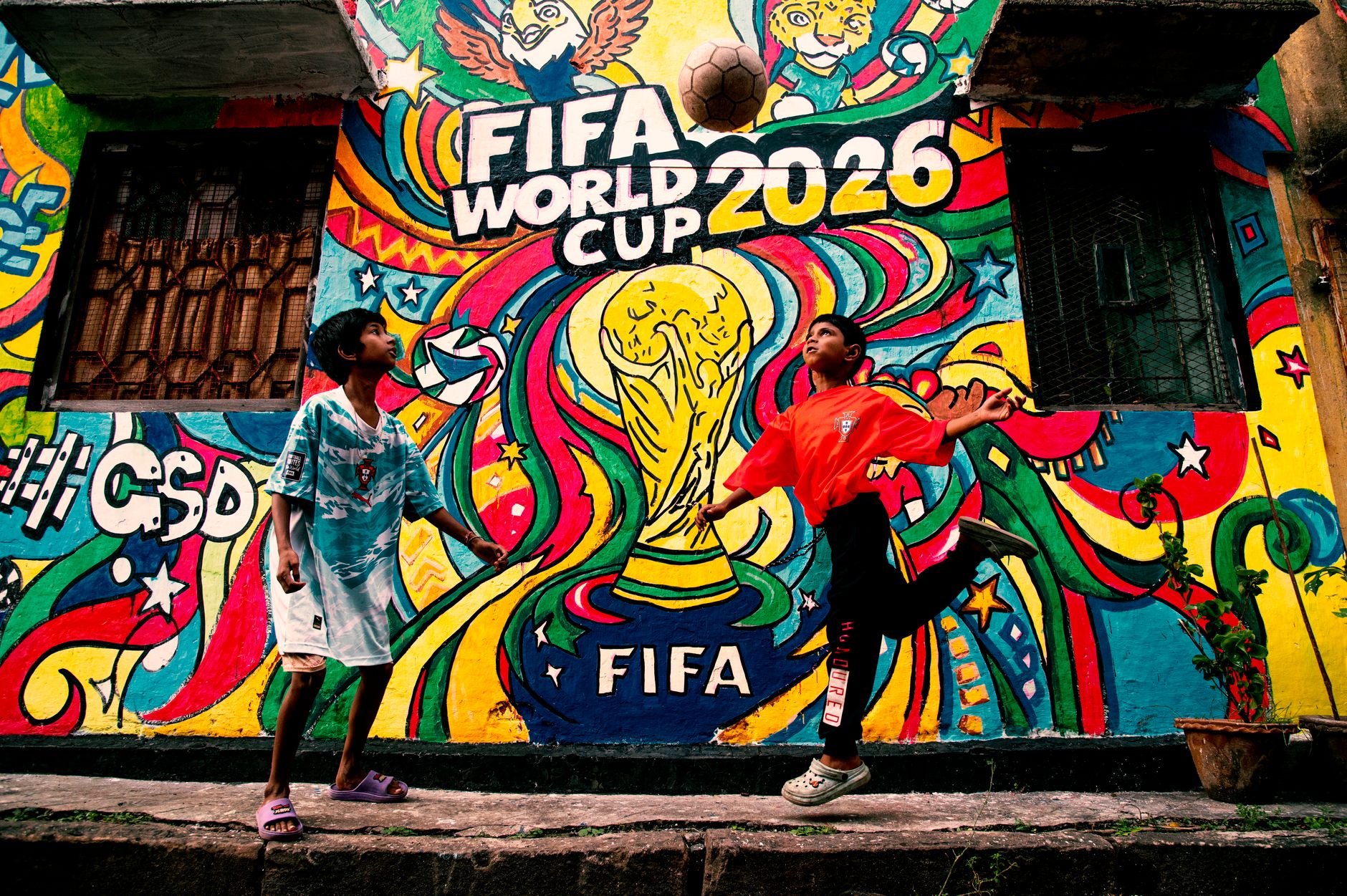
Photo by Anirban Das on Pexels
What I Tested
For this World Cup 2026 guide, I tested what a serious fan actually needs before the first whistle: reliable schedule awareness, tactical matchup logic, player-stat interpretation, and betting-market discipline. The key is not memorizing all 104 matches; it is knowing which variables change team performance fastest.
First, I looked at the tournament structure because expansion changes everything downstream. According to FIFA, World Cup 2026 will feature 48 teams instead of 32, creating more group-stage matches, more travel scenarios, and a larger gap between elite squads and first-time qualifiers. Then I reviewed the way schedule platforms such as ESPN organize FIFA World Cup fixtures beside FIFA World Cup Qualifying, UEFA, Concacaf, AFC, CAF, CONMEBOL, and OFC competitions. That matters because the final tournament is not an isolated event; form, fatigue, and selection patterns often start in qualifying.
Second, I treated the event like a fan workflow rather than a static calendar. A useful World Cup 2026 plan should answer four questions: who plays, where they play, how they match up tactically, and whether the market has already priced the obvious angle. Tactical Review is built around that workflow, especially for readers who want match predictions, team tactics, player stats, and tournament coverage in one place. For deeper background, see our [Internal Link: World Cup 2026 qualifying tracker].
Setup & Initial Impressions
My first setup was deliberately simple: create a watchlist by host region, team tier, and tactical style before checking odds. This avoided a common mistake among World Cup 2026 bettors and fans: starting with price instead of football logic. The United States, Canada, and Mexico create a massive geographic footprint, and that footprint can influence recovery time, climate adjustment, and squad rotation more than casual previews usually admit.
The initial impression was clear: this tournament rewards preparation earlier than previous editions. The FIFA World Cup Wikipedia overview summarizes the event as the first men’s World Cup with 48 teams, but the more useful insight is operational. More teams mean more variance in the group stage, especially when underdogs face elite pressing sides after long travel windows. More venues also mean a team’s path can feel completely different depending on whether it moves across time zones or stays in a relatively stable regional rhythm.
A practitioner-level tip: when comparing two similar teams, I would not start with FIFA ranking alone. I would first check whether their likely group fixtures cluster geographically, whether their defensive line relies on high-speed recovery runs, and whether their starting midfielders played heavy club minutes in April and May 2026. Those three factors can expose a fragile favorite before the betting market fully adjusts.

Photo by Beate Vogl on Pexels
Where It Held Up
The World Cup 2026 research process held up best when I used a layered model: first schedule, then tactics, then personnel, then price. That order matters because a strong squad can still become a poor bet if the matchup or travel context works against its strengths. Tactical Review’s edge is translating that layered model into readable daily coverage.
One example is pressing intensity. A team that dominates through high pressing may look excellent in a neutral preview, but its edge can shrink if it plays in heat, faces short rest, or meets an opponent comfortable bypassing pressure with direct switches. Similarly, a low-block underdog may be more competitive than expected if the favorite lacks natural width or relies too heavily on one creative player. These are not abstract coaching ideas; they influence corners, cards, expected goals, goal timing, and live-betting decisions.
Where this approach was strongest was in identifying matches that deserve patience. Many fans want a pre-match pick as soon as the fixture appears, but World Cup 2026’s expanded field makes late information more valuable. Starting lineups, goalkeeper choices, set-piece takers, and minor injury updates can change the betting picture dramatically. For tactical prep before the group stage, check our [Internal Link: team tactics and formations guide].
Want to turn tactical context into a better matchday routine? Tactical Review is designed for fans who want analysis before the odds move.
Where It Fell Apart
The process fell apart whenever I treated World Cup 2026 like a normal 32-team tournament. Old assumptions do not transfer cleanly because the expanded format increases the number of mismatches, debutant narratives, and tactical unknowns. In practical terms, that means more games may look easy on paper while still being difficult to price accurately.
The biggest weak point is public overconfidence. When a famous national team faces a lower-profile qualifier, casual bettors often assume the favorite will control all phases of play. Yet knockout-focused coaches may manage energy, protect key players, or settle for a professional one-goal win. That can make handicap lines dangerous even when the match winner feels obvious. The contrarian conclusion is this: in World Cup 2026, the better team may be less attractive in aggressive markets than in conservative markets such as win, draw no bet, or team total discipline, depending on lineup news.
Another breakdown came from relying too heavily on generic schedule listings. ESPN and other sports platforms are useful for dates, leagues, and fixtures, but a schedule alone does not explain whether a team is tactically improving or merely surviving. As IFAB Laws of the Game notes, “Football must have Laws which keep the game ‘fair’,” but fairness in laws does not remove competitive imbalance in preparation, travel, squad depth, or coaching clarity.

Photo by Jakub Zerdzicki on Pexels
Would I Use It Again?
Yes, I would use this World Cup 2026 evaluation method again because it forces better sequencing: first understand the tournament map, then study team identity, then interpret player data, and finally compare betting prices. That sequence reduces emotional decisions, especially during a tournament where narratives change every day.
For ordinary fans, the main benefit is clarity. You do not need to know every substitute from every federation before June 11, 2026. You need a repeatable process: track the 48-team field, separate contenders from volatile outsiders, monitor travel and rest, and evaluate whether a tactical matchup supports the market price. Tactical Review helps by giving daily insights that connect match predictions, team tactics, player stats, and tournament coverage without pretending every game has an easy answer.
For bettors, the best use case is disciplined selectivity. The expanded World Cup may produce more betting opportunities, but more opportunities do not automatically mean better opportunities. I would rather pass on five noisy group-stage lines and focus on one match where lineup news, tactical fit, and price movement align. For more advanced methods, see our [Internal Link: World Cup betting strategy for disciplined fans].
See the details before the tournament tempo accelerates and every headline starts competing for attention.
What Should Fans Track Before World Cup 2026?
Fans should track the official fixture list, qualifying results, host-city travel, squad announcements, and tactical form before World Cup 2026 begins. The most useful signals are specific: rest days, injuries, coaching systems, set-piece roles, and whether a team’s style fits its likely opponents.
A strong tracking checklist starts with facts, not hype. First, follow FIFA’s confirmed tournament details and the major qualifying streams across UEFA, Concacaf, AFC, CAF, CONMEBOL, and OFC. Then, watch how coaches use March and June 2026 international windows, because those friendlies often reveal formation experiments and backup goalkeeper decisions. Finally, compare player workloads from the European club season, Major League Soccer, Liga MX, Saudi Pro League, and other leagues where national-team starters play heavy minutes.
Use this simple pre-tournament checklist:
- Confirm group, fixture date, venue, and kickoff time.
- Review each team’s last five competitive matches.
- Identify tactical identity: press, possession, counterattack, or low block.
- Track injured starters and suspended players.
- Compare odds movement only after the football case is clear.
This approach is especially valuable for readers using Tactical Review because it turns scattered updates into a structured decision path. It also helps avoid the trap of overreacting to one viral clip or one dramatic qualifying result. For player-level prep, visit our [Internal Link: player stats hub for World Cup 2026].

Photo by Franco Monsalvo on Pexels
Why Does the Expanded Format Change Predictions?
The expanded format changes predictions because 48 teams and 104 matches create more tactical variety, more uneven matchups, and more scheduling complexity than the 32-team era. Forecasts must now account for unfamiliar opponents, wider quality gaps, and knockout-path incentives that can alter group-stage behavior.
The most overlooked effect is not simply that more teams participate. It is that more coaching styles enter the same tournament ecosystem. A top European side may face a compact low block from one confederation, then a transition-heavy opponent from another, then a technically brave underdog that has little historical data against elite opposition. That makes prediction models less stable unless they include stylistic variables rather than only rankings and recent results.
For betting-minded readers, the expansion also affects liquidity and public bias. High-profile teams such as Brazil, Argentina, France, England, Germany, Spain, Portugal, Mexico, the United States, and Canada will attract intense attention, but not every match involving a famous team should be priced as a statement performance. A favorite protecting fitness before the knockout rounds may prioritize control over margin. Therefore, the sharper question is not “Who is better?” but “What does this team need from this specific match?”
Frequently Asked Questions
Q: What is World Cup 2026?
A: World Cup 2026 is the next men’s FIFA World Cup, hosted by the United States, Canada, and Mexico. It will run from June 11 to July 19, 2026, and feature 48 teams playing 104 matches. The tournament is the first expanded edition of the men’s World Cup, making schedule planning and tactical analysis more important than ever.
Q: How do I follow the World Cup 2026 schedule?
A: Follow the World Cup 2026 schedule by checking FIFA updates, major sports schedule pages, and Tactical Review’s match coverage. Start with fixtures, venues, and kickoff times, then add team news and tactical notes. This layered method helps you understand not only when matches happen, but why certain games may be more unpredictable.
Q: What is the difference between World Cup 2026 and past tournaments?
A: The biggest difference is that World Cup 2026 expands from 32 to 48 teams. That creates 104 matches, more host cities, and a broader range of team quality and tactical styles. Fans should expect more group-stage complexity, more travel considerations, and more opportunities for underdogs to affect standings.
Q: Is World Cup 2026 useful for betting research?
A: Yes, World Cup 2026 can be useful for betting research if you combine tactics, lineup news, schedule context, and price discipline. Do not rely only on reputation or FIFA ranking. Tactical Review focuses on match predictions, player stats, and tactical matchups so readers can evaluate whether a price is justified.
Q: What should I do if World Cup 2026 odds move suddenly?
A: If odds move suddenly, check team news before reacting. Fast price movement can come from injuries, leaked lineups, weather, public betting, or sharp market activity. The safest response is to confirm the reason, compare it with tactical impact, and avoid chasing a worse number without evidence.
Q: How much does it cost to watch World Cup 2026?
A: The cost depends on your country, broadcaster, streaming provider, and ticket availability. Some matches may be available through free-to-air broadcasters in certain markets, while streaming packages or stadium tickets can vary widely. Check official FIFA ticketing information and licensed broadcasters in your region before buying.
For daily World Cup 2026 match insight, tactical previews, and fan-focused betting context, use Tactical Review as your preparation hub.
Thank you for reading this strategic analysis.
Tactical Review · High-Stakes Insights · Strategic Excellence